


Artificial intelligence is rapidly becoming a foundational capability across industries, driving automation, insight, and innovation at scale. As AI adoption accelerates, so does regulatory scrutiny. The European Union’s Artificial Intelligence Act represents the most comprehensive attempt to regulate AI systems to date, setting clear expectations around safety, transparency, accountability, and data governance. For organizations operating in or targeting the EU market, the Act has significant implications for how data strategies are designed and executed.
The EU AI Act introduces a risk-based framework that governs AI systems according to their potential impact on individuals and society. Rather than focusing on specific industries, the regulation targets how AI systems are built, trained, deployed, and monitored. This shift places data at the center of compliance. Since AI performance and behavior are directly shaped by the data used to train and operate models, the Act effectively turns data strategy into a regulatory concern, not just a technical or business one.
At the core of the EU AI Act is the requirement for strong data governance. Organizations must be able to demonstrate that the datasets used for training, validation, and testing are relevant, representative, accurate, and free from systemic bias. This raises the bar for data quality and forces enterprises to move beyond ad hoc data preparation practices. Data must be curated with intent, continuously assessed, and aligned with clearly defined use cases. Poor-quality or poorly governed data is no longer just a performance risk; it is a compliance risk.
Transparency and traceability are also central themes of the regulation. For high-risk AI systems, organizations are required to maintain detailed documentation explaining how models are developed and how data flows through the system. This includes the ability to trace data lineage from source systems through transformations and into AI models. As a result, data documentation, metadata management, and auditability become essential components of an effective data strategy. What was once internal technical documentation now serves as formal evidence of regulatory compliance.
The EU AI Act further emphasizes accountability throughout the AI lifecycle. Compliance does not end at deployment. Organizations are expected to monitor AI systems continuously to detect performance degradation, data drift, or emerging risks. This requirement directly affects how data pipelines are designed, how feedback loops are implemented, and how monitoring capabilities are integrated into production environments. A static data strategy is no longer sufficient in a regulatory environment that demands ongoing oversight.
These changes present a clear challenge for many organizations. Data ecosystems are often fragmented, governance processes are manual, and visibility into data usage is limited. Aligning with the EU AI Act requires not only policy updates but also practical, scalable tooling that embeds compliance into everyday data operations.
This is where Apptad plays a critical role. Apptad helps organizations modernize their data strategy to meet both regulatory and business demands. By providing strong data quality management capabilities, Apptad enables teams to assess, validate, and maintain high standards across the data used for AI. This ensures that datasets remain reliable, representative, and fit for purpose as regulatory expectations evolve.
Apptad also strengthens data governance and transparency by making data lineage, metadata, and documentation easily accessible. With clear visibility into how data moves across systems and how it is used in AI workflows, organizations can confidently demonstrate compliance with the EU AI Act’s requirements. This level of traceability supports both internal governance and external audits, reducing risk and operational friction.
In addition, Apptad supports continuous monitoring across data and AI systems. By identifying anomalies, drift, and quality issues early, organizations can take corrective action before minor issues escalate into regulatory or reputational problems. This proactive approach aligns directly with the EU AI Act’s emphasis on post-deployment oversight and accountability.
The EU AI Act should not be viewed solely as a compliance burden. It is an opportunity to build more resilient, trustworthy, and effective AI systems by strengthening the data foundations that support them. Organizations that adapt early and invest in robust data strategies will be better positioned to innovate responsibly and earn long-term trust from customers, regulators, and partners.
Apptad helps turn regulatory complexity into strategic advantage by embedding governance, quality, and transparency directly into your data operations. In a world where AI regulation is becoming the norm rather than the exception, a strong data strategy is no longer optional. It is the key to sustainable, compliant, and scalable AI.
Building RDM Update Agents with Reltio AgentFlow
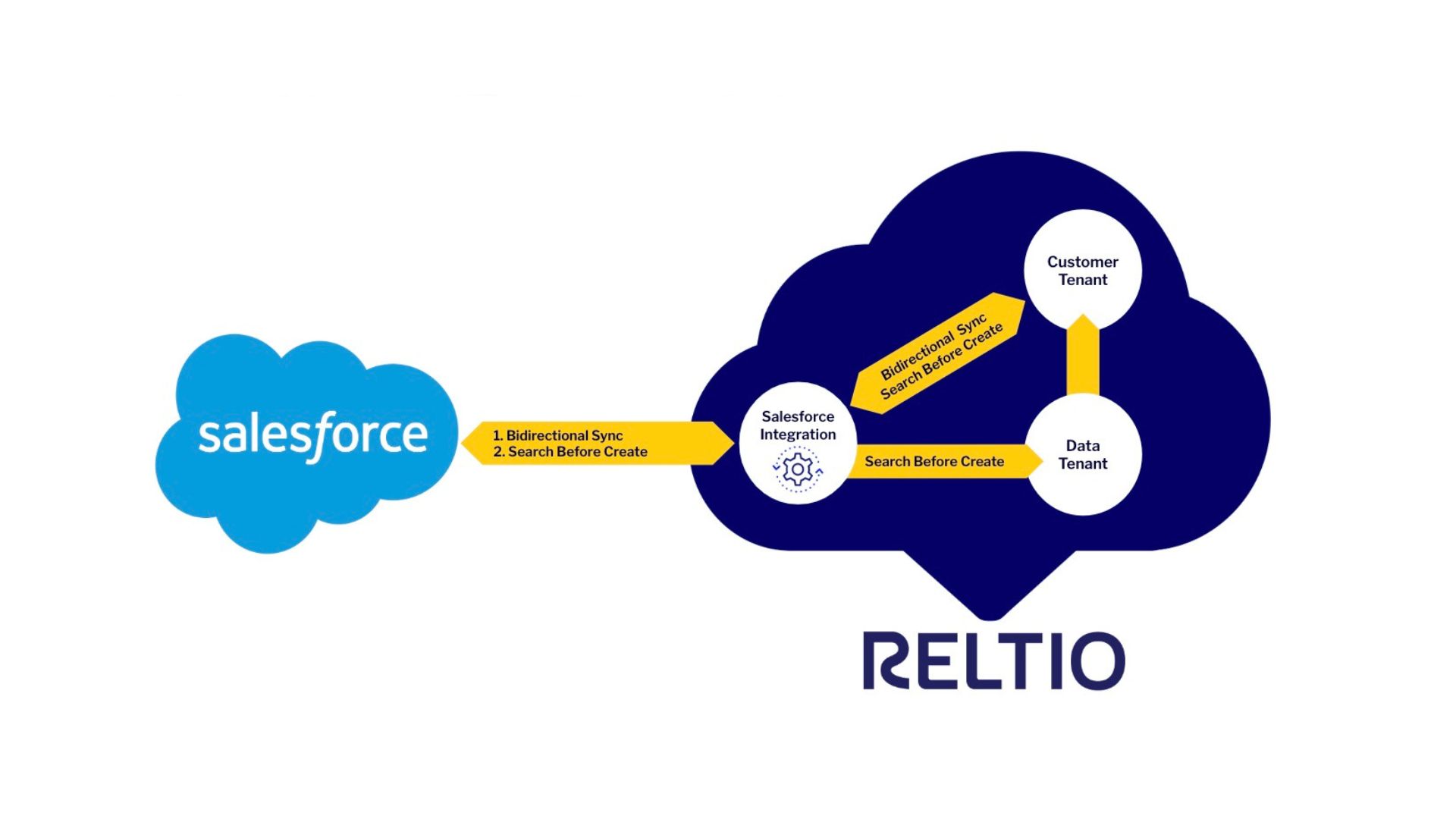
Reltio Integration for Salesforce : Search Before Create, Architecture, Configuration, and Enterprise Data Strategy

Automating Data Quality with Reltio Agentflow: A Smarter Approach to Master Data Management

From Data Mesh to Data Fabric: Choosing the Right Decentralized Architecture for Your Enterprise

Building a DataOps Culture: Accelerating Data Delivery Through Automation and Collaboration