


Data and artificial intelligence have evolved into core drivers of enterprise innovation, efficiency, and competitiveness. What was once the domain of specialized teams is now a board-level priority, shaping how organizations operate, serve customers, and prepare for the future. For CIOs, CDOs, CTOs, enterprise architects, and digital transformation leaders, the opportunity lies in designing a data and AI strategy that strengthens decision-making, enhances operational resilience, enables intelligent automation, and supports scalable growth.
In 2025 and beyond, enterprises are navigating an environment where data is expanding rapidly, AI capabilities are maturing, and business expectations increasingly require real-time intelligence. Many organizations recognize that existing architectures and processes—while foundational—must evolve to support the next generation of analytics and AI. This evolution is not a criticism of the past, but a reflection of the new demands placed on data-driven enterprises.
A future-ready strategy is neither an isolated technology initiative nor a standalone AI experiment. It is an integrated enterprise capability that brings together modern architecture, governance, talent, and operational alignment.
The following framework outlines the strategic pillars and design considerations that help leaders build a resilient, scalable, and adaptable data and AI ecosystem.
The State of Enterprise Data & AI in 2025
Enterprises across industries continue to invest significantly in data and AI, yet their journeys differ depending on legacy landscapes, business models, and digital maturity. Several factors characterize the current state:
1. The volume and diversity of enterprise data continue to grow rapidly, which brings both opportunity and complexity.
As organizations adopt SaaS applications, cloud platforms, operational systems, and digital tools, data becomes more distributed. This diversity creates new insights but also requires more sophisticated integration and visibility to enable analytics at scale.
2. AI capabilities are advancing quickly, and organizations are working to align their infrastructure, governance, and operating models to support them at scale.
Technologies such as large language models, advanced machine learning, and real-time decision engines offer transformative potential, but they depend on solid data foundations and structured operational processes.
3. Business expectations are rising.
Customers expect thoughtful personalization, supply chains require real-time awareness, and boards are prioritizing automation, efficiency, and transparency. These expectations broaden the role of data and AI across the enterprise.
Together, these dynamics call for a shift from traditional, siloed analytics toward a cohesive data and AI strategy that enables continuous intelligence and adaptability.
Executive Imperative: Why Traditional Data Strategies No Longer Work
Legacy data strategies served organizations well when analytic demands were periodic and workloads were predictable. However, today’s environment introduces more dynamic requirements, including:
- Real-time operational insights
- AI models that depend on large volumes of clean, connected data
- Hybrid and distributed architectures
- The need for consistent governance and observability across platforms
To address these evolving needs, modern strategies must integrate data engineering, governance, analytics, AI, automation, and decision intelligence into a unified architectural and operational blueprint.
Executives are now responsible for enabling architectures that:
- Scale elastically
- Support advanced AI workloads
- Provide high-quality, governed data
- Promote democratized, secure data access
- Operate across hybrid and multi-cloud environments
- Deliver transparency, lineage, and auditability
This evolution represents not a replacement of past investments, but a natural progression toward enterprise capabilities that can support the next phase of digital transformation.
Foundations of a Future-Ready Data Strategy
To unlock the full potential of AI, enterprises must establish a data strategy that is cohesive, governed, and adaptable. A strong foundation ensures AI systems can perform consistently, integrate effectively, and scale with business needs. The following pillars reflect the essential components of this foundation.
Pillar 1: Architecture Modernization
Modern organizations require data ecosystems that support batch, streaming, predictive, and real-time workloads. Key architectural elements include:
- Cloud-native data platforms with elastic compute and storage
- Lakehouse designs that unify structured and unstructured data
- Hybrid and multi-cloud environments for flexibility and performance
- Edge computing for low-latency analytics
- API-first integration for interoperability and scalable connectivity
Architecture modernization strengthens agility and serves as the technical foundation for enterprise intelligence.
Pillar 2: Governance & Stewardship
As data grows in volume and complexity, governance becomes essential for maintaining trust, clarity, and compliance.
A mature governance model includes:
- Clear ownership and stewardship roles
- Standardized definitions and taxonomies
- Metadata-rich catalogs
- Data lineage and traceability
- Security and access frameworks
- Privacy and compliance controls
- Automated policy enforcement
Effective governance balances consistency with accessibility, enabling innovation without compromising oversight.
Pillar 3: Data Quality & Observability
High-quality data is central to reliable analytics and AI. Modern frameworks emphasize:
- Continuous profiling and validation
- Automated anomaly detection
- Pipeline monitoring and alerting
- SLA/SLO-based quality metrics
- Structured workflows for resolution
Observability ensures data pipelines and AI systems remain transparent and dependable throughout their lifecycle.
Pillar 4: Metadata, Cataloging & Interoperability
As data ecosystems expand, it becomes increasingly important to organize, label, and make information discoverable.
Capabilities include:
- Centralized metadata repositories
- Searchable, user-friendly data catalogs
- Semantic models that support interoperability
- Standards-based data sharing
These features promote collaboration and clarity across technical and business teams.
Pillar 5: Integration Across Systems
Enterprise intelligence requires connected systems. Integration spans:
- ERP, CRM, PLM, and supply chain platforms
- Operational databases and sensor networks
- SaaS applications
- Data lakes, warehouses, and ML environments
Leaders must prioritize integration approaches that are secure, low-latency, and scalable, without creating undue architectural complexity.
Building an AI-Ready Enterprise
Becoming an AI-ready enterprise requires more than isolated model development; it demands a data ecosystem, governance framework, and operating structure built to support continuous model creation, deployment, and improvement. AI readiness reflects an organization’s ability to scale intelligence across processes, products, and decisions.
Key components include:
AI Use-Case Prioritization
Organizations should begin with high-impact business outcomes such as:
- Predictive maintenance
- Cash-flow forecasting
- Customer personalization
- Real-time risk identification
- Supply chain optimization
- Workforce intelligence
- Automated document processing
Prioritization should consider feasibility, data availability, and measurable value.
Feature Engineering & ML Pipelines
Successful AI initiatives rely on scalable, automated pipelines that:
- Prepare and transform data
- Deliver reliable, engineered features
- Manage versions and refresh cycles
- Integrate directly with production environments
This discipline turns AI from experimentation into an operational capability.
MLOps & Lifecycle Management
MLOps provides the structure necessary to operationalize AI at scale. Robust practices include:
- Model versioning
- Drift monitoring
- Automated retraining
- Compliance workflows
- Scalable deployment
Without these components, even strong AI models struggle to deliver sustained value.
Responsible AI Frameworks
Responsible AI ensures safety, fairness, and transparency.
Key elements include:
- Bias identification and mitigation
- Model explainability
- Governance guidelines for model use
- Privacy safeguards
- Compliance with evolving regulatory standards
Responsible AI protects stakeholders while supporting innovation.
Organizational Enablement
Technology alone cannot deliver a future-ready data and AI strategy. The organization must mature alongside it — aligning people, processes, and decision-making models to fully realize the value of advanced capabilities. True transformation requires clarity of roles, cross-functional collaboration, and an operating model designed to support continuous innovation.
Cross-Functional Alignment
Effective AI adoption depends on collaboration among:
- IT and data engineering
- Analytics and data science
- Business units
- Product and operations
- Compliance, legal, and HR
Operating models must prioritize coordination, shared ownership, and continuous communication.
Skills Development & Operating Models
Future-ready organizations strengthen competencies across:
- Data engineering and architecture
- Analytics and ML development
- Governance and stewardship
- AI product ownership
- Enterprise-wide data literacy
Hybrid delivery models, Centers of Excellence (CoEs), and federated teams can help scale these capabilities.
Change Management
Successful adoption requires trust, understanding, and comfort with new tools and processes.
Effective change management includes:
- Clear communication of purpose and benefits
- Training and enablement
- Gradual introduction of AI into workflows
- Incentives that reinforce data-driven behaviors
Change management turns strategy into sustained practice.
Measuring Value: What Executives Should Track
A future-ready strategy must be grounded in measurable outcomes.
KPIs for Data Strategy
- Data quality scores
- Pipeline reliability
- Platform cost efficiency
- Time-to-insight improvements
- Adoption and usage metrics
KPIs for AI Initiatives
- Model accuracy and stability
- Time from development to deployment
- Automation impact
- Reduction in operational exceptions or downtime
- Revenue or cost improvement
Outcome-driven roadmapping ensures that investments remain aligned with enterprise priorities and deliver tangible value.
How Apptad Helps Enterprises Transform
Apptad supports organizations in building modern, scalable data and AI capabilities — grounded in engineering rigor and enterprise readiness. The company focuses on:
- Data Engineering & Integration: Designing and implementing modern data pipelines and unified architectures that support analytics and decision intelligence.
- Platform & Cloud Modernization: Helping enterprises modernize legacy environments, migrate to cloud-native platforms, and establish scalable data foundations.
- Advanced Analytics & ML: Enabling the development of analytics solutions and machine learning models that unlock actionable insights across business functions.
- Decision Intelligence Solutions: Delivering systems that integrate data, analytics, and automation to support smarter, faster operational decisions.
- Governance & Transformation Enablement: Establishing data governance and operating frameworks that ensure trust, quality, and long-term scalability.
Conclusion: The Strategic Advantage of a Unified, Future-Ready Data & AI Strategy
Enterprises are entering an era where competitive advantage comes from intelligence — the ability to sense, decide, and respond with speed and clarity. A future-ready data and AI strategy provides the foundation for this capability, shaping how organizations operate, innovate, and compete.
Organizations that modernize their architectures, operationalize AI, strengthen governance, and invest in talent will be well-positioned to lead in an increasingly digital and dynamic market. Those that take a thoughtful, integrated approach will unlock sustained value, enhanced resilience, and long-term differentiation.
The future belongs to enterprises that choose to invest in intelligence today — with strategies designed not only to meet current needs, but to adapt and scale as technology and business landscapes evolve.
Building RDM Update Agents with Reltio AgentFlow
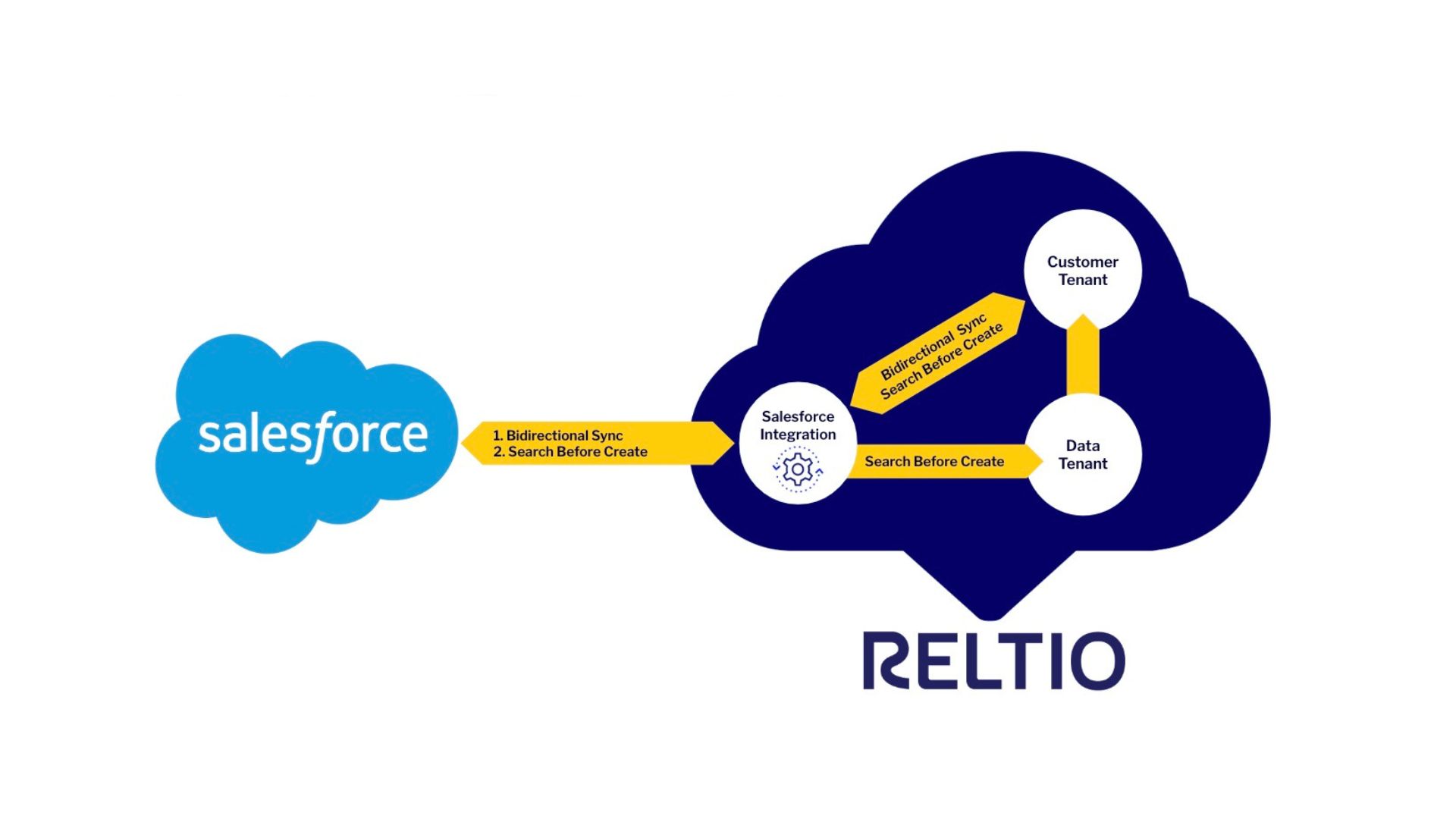
Reltio Integration for Salesforce : Search Before Create, Architecture, Configuration, and Enterprise Data Strategy

Automating Data Quality with Reltio Agentflow: A Smarter Approach to Master Data Management

From Data Mesh to Data Fabric: Choosing the Right Decentralized Architecture for Your Enterprise

Building a DataOps Culture: Accelerating Data Delivery Through Automation and Collaboration