



In an age of unprecedented volatility — driven by shifting consumer behaviour, geopolitical disruption, supply-side fragility, inflation, and rising fulfilment expectations — retail supply chains are under intensifying pressure. For CIOs, CDOs, AI leaders, architects, and data-strategy teams, the imperative is clear: shift from reactive firefighting to anticipatory orchestration. At Apptad, we believe the strategic deployment of predictive analytics can transform supply-chain risk into supply-chain resilience.
In the sections ahead, we outline how forward-looking retailers can operationalize predictive analytics to build supply chains that are not just resilient, but strategically positioned to excel amid volatility.
1. Why “Predictive” — and Why Now
Predictive analytics encompasses statistical modeling, machine learning, and data-mining techniques that analyze historical and real-time data to estimate what is likely to happen next. In retail supply chains, this means replacing backward-looking reporting with forward-looking intelligence — identifying early signs of changing demand, supplier constraints, or logistical bottlenecks.
As global supply chains face increasing volatility — shifting consumer demand, macroeconomic instability, material shortages, and geopolitical shocks — traditional planning and slow, reactive processes are simply not enough. Modern retail requires foresight, not hindsight.
Industry analyses consistently show that predictive models can drastically elevate planning accuracy — often improving demand forecasts by double-digit percentages while meaningfully reducing inventory carrying costs. The strategic advantage is clear: better decisions, sooner.
In today’s unpredictable market, predictive analytics is no longer a “nice-to-have.” It is foundational to building a supply chain that is agile, resilient, and competitively differentiated. 1 2
2. Core Benefits: Building a Resilient, Responsive Retail Supply Chain
Here’s how predictive analytics delivers measurable value across the supply chain:
• Demand Forecasting & Inventory Optimization
By synthesizing historical sales, seasonality, promotional activity, and external signals (weather, economic indicators, local events), predictive models generate far more accurate demand forecasts than traditional spreadsheet-based systems. This allows retailers to better synchronize inventory with real purchasing patterns — reducing stockouts that hurt revenue and avoiding excess inventory that drains working capital.
• Risk Anticipation & Proactive Mitigation
Predictive analytics acts as a forward-looking early-warning system. By analyzing supplier lead times, delivery performance, disruption indicators (weather, port congestion, geopolitical risks), and historical patterns, organizations can simulate “what-if” scenarios and surface risk before it manifests. This enables proactive contingency planning instead of reactive firefighting.
• Strategic Supplier Management & Logistics Optimization
Analytics can quantify supplier reliability, lead-time variability, quality performance, and risk exposure. This supports better supplier selection, early detection of underperformance, and informed decisions about dual-sourcing or alternative suppliers.
In logistics, predictive models optimize routes, forecast transit times, anticipate choke points, and recommend contingency paths — improving on-time delivery and reducing operational variability.
• Reducing the Bullwhip Effect & Enabling Agile Retail
Small shifts in consumer demand can create large upstream distortions — the classic Bullwhip Effect. Predictive analytics reduces this volatility by providing accurate, real-time demand signals and smoothing fluctuations. The result is a more stable, scalable supply chain with better coordination between retail, procurement, and production.
• Cost Reduction & Working Capital Efficiency
More precise forecasts and optimized logistics reduce safety stock, limit expedited shipping, smooth procurement cycles, and lower warehouse costs. These improvements translate directly into reduced operational spend and improved cash-flow efficiency.
• Better Customer Satisfaction & Business Continuity
A predictive retail supply chain is far more prepared to deliver what customers want, when and where they want it — whether in-store, online, or via hyperlocal fulfilment. By maintaining product availability and reducing stockouts across channels, predictive analytics strengthens brand trust and customer loyalty.
3. Strategic Implementation: From Insights to Enterprise-Grade Systems
Embedding predictive analytics into operational decision-making requires the right foundation, architecture, and governance. Below is a practical roadmap for enterprise teams.
1. Build a Unified Data Foundation
Retailers generate massive volumes of data across POS systems, e-commerce platforms, suppliers, inventory systems, logistics, and external sources. This information is often siloed or inconsistent.
To unlock predictive value:
- Integrate cross-functional data into a unified architecture
- Establish standardized data definitions
- Implement automated quality checks and cleansing pipelines
- Enforce data governance and ownership models
A large portion of analytics shortcomings can be traced back to inconsistent, incomplete, or poorly governed data — making strong data quality frameworks essential.
2. Choose the Right Analytic Techniques & Tools
Demand sensing & forecasting:
Blend classical time-series forecasting with machine learning and real-time signals. This enables a “sense and respond” model rather than rigid, static forecasting.
Risk modeling & scenario simulation:
Use predictive models to identify supplier delays, transportation disruptions, or sudden demand spikes — and test contingency scenarios before issues surface.
Supplier performance scoring:
Evaluate suppliers using quantifiable criteria like delivery reliability, lead-time variability, and defect rates.
Logistics optimization:
Model route-level transit times, resource utilization, and bottlenecks to reduce delivery variability.
Emerging techniques:
Advanced research showcases hybrid ML models capable of dynamically adjusting to shifting business drivers by reassessing feature importance in real time — keeping predictions accurate even when market conditions evolve.
3. Start Small — Then Scale
Rather than transforming the entire network at once, retailers should launch focused pilots in high-impact segments — specific categories, regions, or supplier groups. Establish clear KPIs such as forecast accuracy, stockout reduction, lead-time improvements, or inventory cost reduction. Validate early wins, iterate, and scale gradually. This phased approach mitigates risk and builds leadership confidence.
4. Embed Predictive Insights into Decision Workflows
Analytics only creates value when operationalized. Predictive outputs should flow directly into:
- Procurement and replenishment cycles
- Supplier scorecards
- Distribution and logistics planning
- Financial and operational planning (S&OP)
- Executive dashboards for strategic decisions
When predictive intelligence informs everyday workflows, ROI becomes measurable and sustained.
5. Plan for Change Management, Governance & Security
Successful adoption requires organizational readiness. Equip teams with analytical literacy, define access controls, and implement governance around model usage, versioning, and compliance. Since predictive analytics influences supplier contracts, financial flows, and customer fulfillment, strong oversight is essential to ensure trust and accountability.
4. Use Cases — How Leading Retailers Are Already Benefiting
• Hyperlocal Demand Forecasting
Retailers are now predicting demand at store, ZIP code, or micro-region levels by integrating demographic trends, local events, weather, and channel signals. This enables precise replenishment and reduces shelf-level stockouts. 3
• Supplier Risk Monitoring
By tracking supplier performance data and variability, retailers detect early warning signs and deploy contingency sourcing before disruptions escalate.
• Logistics Optimization Under Disruption
When ports are congested or weather impacts shipments, predictive logistics models enable dynamic rerouting, intelligent prioritization, and coordinated warehouse operations — maintaining service levels despite external shocks.
• Mitigating the Bullwhip Effect
By feeding real-time customer and POS data upstream, predictive analytics smooths demand volatility and prevents over-ordering, improving stability across procurement and production. 4
Together, these examples make it clear that predictive analytics is not experimental — it is already producing tangible, measurable benefits for leading retail and supply-chain organizations.
5. Overcoming Common Challenges — What CIOs & CDOs Must Watch Out For
While the benefits are compelling, implementation isn’t always straightforward. Some common pitfalls — and how to guard against them:
- Fragmented or poor-quality data
- Siloed teams and disconnected workflows
- Undefined ROI metrics
- Model governance, privacy, and compliance risks
- Skill gaps or resistance to analytics-driven processes
With careful planning, robust data foundations, and strong leadership, these challenges are surmountable — and the rewards are substantial.
6. Conclusion — From Reactive Chains to Resilient Supply Networks
In an environment defined by uncertainty, the only viable supply-chain strategy is proactive intelligence. Predictive analytics gives retailers the ability to anticipate shifts in demand, forecast disruptions, and optimize inventory and logistics with speed and confidence.
For CIOs, CDOs, AI leaders, and data-strategy teams, the mandate is clear: build the right data foundation, initiate focused pilots, integrate analytics into operational workflows, and scale with governance.
Resilience is no longer optional — it is a strategic differentiator.
At Apptad, we partner with enterprises to translate predictive insights into real operational outcomes — helping you build supply chains that are intelligent, adaptive, and ready for what comes next.
Building RDM Update Agents with Reltio AgentFlow
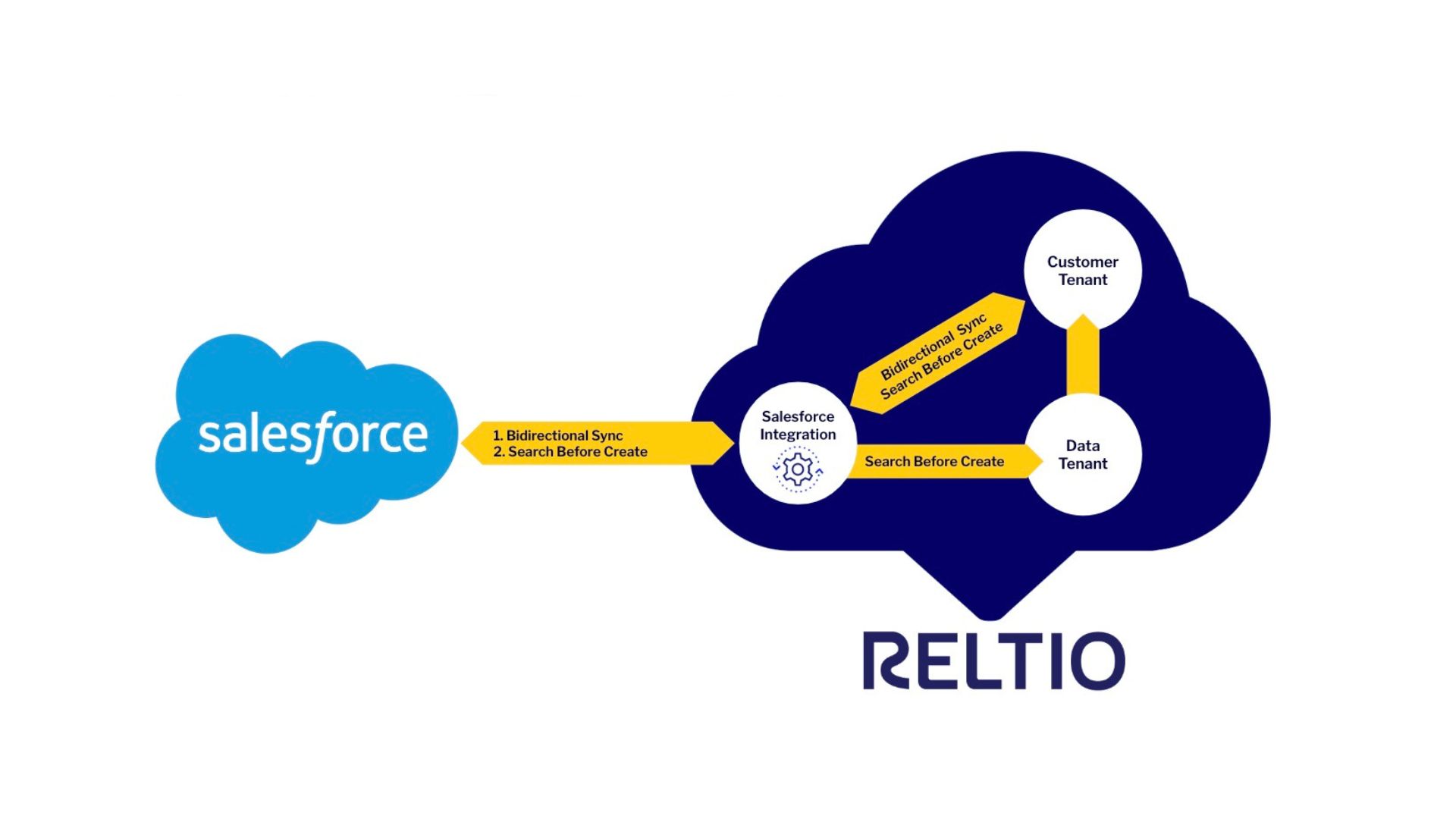
Reltio Integration for Salesforce : Search Before Create, Architecture, Configuration, and Enterprise Data Strategy

Automating Data Quality with Reltio Agentflow: A Smarter Approach to Master Data Management

From Data Mesh to Data Fabric: Choosing the Right Decentralized Architecture for Your Enterprise

Building a DataOps Culture: Accelerating Data Delivery Through Automation and Collaboration