


Cloud adoption is no longer a defining differentiator for enterprises — integration is. As organizations move beyond initial cloud migrations, the real value is being unlocked not by isolated platforms, but by how effectively cloud environments are integrated with on-premise systems, data ecosystems, applications, and operational workflows.
For CIOs, CTOs, CDOs, and enterprise architects, cloud integration has emerged as a strategic capability that determines agility, scalability, resilience, and long-term competitiveness. It is no longer sufficient to “move workloads to the cloud.” Enterprises must design integrated architectures that support hybrid operations, real-time data exchange, and seamless collaboration across distributed environments.
Cloud integration is reshaping IT infrastructure from a collection of systems into a connected, adaptive digital backbone — one that supports continuous transformation rather than one-time modernization.
Cloud Integration as a Strategic Imperative
Cloud has evolved from an alternative hosting environment into the foundation of modern IT infrastructure. However, most enterprises operate in hybrid and multi-cloud realities, where cloud platforms coexist with legacy systems, industry-specific applications, edge devices, and external ecosystems.
In this context, integration is what turns cloud from a destination into an enabler. Effective cloud integration allows enterprises to:
- Connect legacy and modern systems without disruption
- Enable real-time data and application interoperability
- Scale innovation without fragmenting architecture
- Maintain governance and security across environments
Rather than replacing existing investments, cloud integration helps organizations extend and modernize them — enabling gradual, controlled transformation.
Market Drivers & Business Imperatives Accelerating Cloud Integration
Several forces are pushing cloud integration higher on executive agendas.
Digital Acceleration and Speed to Market
Business cycles are compressing. Product launches, service enhancements, and operational adjustments must happen faster. Integrated cloud architectures reduce dependencies, simplify deployment, and support agile delivery models.
Distributed Workforces and Operations
Remote and hybrid work models, global teams, and decentralized operations require systems that are accessible, connected, and resilient across locations.
Real-Time Data and Decision-Making
Enterprises increasingly depend on real-time insights — from customer engagement to operational performance. Cloud integration enables continuous data flow between systems, analytics platforms, and decision tools.
Scalability and Cost Efficiency
Integrated cloud platforms allow organizations to scale resources dynamically while optimizing infrastructure costs — particularly when workloads span multiple environments.
Ecosystem Connectivity
Partners, vendors, and customers are now part of extended digital ecosystems. Cloud integration supports secure, standardized connectivity beyond enterprise boundaries.
Cloud Integration Patterns & Architectural Models
Modern cloud integration is not a single approach. Enterprises use a combination of architectural patterns based on scale, complexity, and business needs.
Hybrid Cloud Integration
Hybrid models connect on-premise systems with cloud platforms, allowing organizations to modernize incrementally. This approach supports regulatory constraints, latency-sensitive workloads, and legacy dependencies while still enabling innovation.
Multi-Cloud Integration
Many enterprises use multiple cloud providers to avoid lock-in, optimize costs, or support regional needs. Integration layers ensure consistent connectivity, governance, and data flow across platforms.
API-First Integration
APIs are foundational to cloud integration. API-first strategies enable modular architectures, reusable services, and faster innovation by decoupling applications and systems.
Event-Driven and Streaming Architectures
Event-driven models support real-time integration by reacting to changes as they occur — such as transactions, sensor data, or user actions — enabling faster responsiveness and automation.
Microservices and Service Mesh
Microservices architectures break applications into independent services. Service meshes manage communication, security, and observability between these services, simplifying integration at scale.
Together, these patterns transform IT infrastructure from tightly coupled systems into flexible, composable platforms.
Integration of Data and Analytics Platforms
Cloud integration is as much about data as it is about applications. Modern enterprises rely on integrated data ecosystems to support analytics, AI, and decision intelligence.
Data Lakes, Warehouses, and Lakehouses
Integrated architectures connect operational systems to centralized or federated data platforms — enabling consistent access to structured and unstructured data.
Real-Time Analytics Pipelines
Streaming integration enables near-real-time analytics for use cases such as fraud detection, supply chain monitoring, customer engagement, and operational intelligence.
Cross-Platform Data Access
Cloud integration ensures data can be accessed securely across environments — supporting analytics tools, AI models, and business applications without duplication.
By integrating data platforms with operational systems, enterprises move from retrospective reporting to continuous intelligence.
Security, Compliance & Governance at Scale
As integration expands, security and governance become critical enablers — not constraints.
Identity and Access Management
Integrated environments require unified identity frameworks that enforce consistent access policies across on-prem, cloud, and third-party systems.
Data Protection and Privacy
Encryption, tokenization, and data-masking strategies must be applied consistently across integrated platforms to meet regulatory and business requirements.
Policy Enforcement and Compliance Monitoring
Centralized governance ensures policies related to data usage, retention, and compliance are enforced uniformly, even in distributed environments.
Effective governance builds trust in integrated systems and allows organizations to scale integration without increasing risk.
Organizational & Operational Impacts of Cloud Integration
Technology alone does not reshape infrastructure — organizations must evolve alongside it.
Skills and Roles
Cloud integration requires expertise across architecture, APIs, data engineering, security, and platform operations. Many enterprises are investing in platform engineering and integration-focused teams.
DevOps and Platform Engineering
Integrated environments benefit from DevOps practices that emphasize automation, CI/CD pipelines, and infrastructure as code — accelerating deployment while improving reliability.
Cross-Functional Collaboration
Successful integration initiatives involve IT, security, data teams, and business stakeholders working together. Shared ownership reduces friction and accelerates outcomes.
Change Management and Cultural Readiness
Integration often changes how teams interact with systems and data. Clear communication, training, and gradual rollout help drive adoption and confidence.
Measuring Integration Success & Business Outcomes
To ensure cloud integration delivers value, executives must track both technical and business metrics.
Integration KPIs
- Latency and throughput
- System availability and error rates
- API performance and reuse
- Data freshness and pipeline reliability
Business Metrics
- Time-to-market for new features
- Operational cost efficiencies
- System resilience and recovery times
- Productivity improvements
Continuous Improvement
Regular reviews and benchmarking help organizations refine integration strategies as business and technology needs evolve.
Strategic Recommendations for CIOs & Enterprise Leaders
As organizations look toward 2026 and beyond, experience shows that cloud integration initiatives are most effective when guided by a few consistent principles:
- Position integration as a foundational element of modernization efforts, ensuring it is considered early in technology roadmaps rather than introduced later.
- Leverage modular, API-first architectures to support flexibility, scalability, and long-term reuse across systems and platforms.
- Balance agility with governance, so that security, compliance, and risk management evolve alongside integration efforts.
- Strengthen observability and monitoring practices to maintain performance, reliability, and visibility across increasingly distributed environments.
- Align operating models and skill development to support integrated, cloud-native platforms and ways of working.
Approached thoughtfully, cloud integration becomes a sustained enterprise capability—one that continues to deliver value as technologies, business needs, and operating models evolve.
How Apptad Supports Cloud Integration Initiatives
Aligned with its publicly stated capabilities, Apptad supports enterprises in advancing cloud integration through:
- Data Engineering & Integration: Designing data pipelines and integration frameworks that connect systems, platforms, and analytics environments.
- Platform & Cloud Modernization: Helping organizations modernize legacy infrastructure and adopt scalable cloud platforms.
- Analytics Enablement: Supporting integrated data architectures that enable analytics and insight-driven decision-making.
- Governance & Operational Readiness: Establishing frameworks that ensure consistency, security, and sustainable adoption across integrated environments.
These capabilities help organizations build connected, resilient, and scalable IT ecosystems.
Conclusion: A Blueprint for Modern IT Infrastructure
Cloud integration is redefining what modern IT infrastructure looks like. It shifts enterprises from static environments to connected ecosystems that support continuous change, real-time insight, and scalable innovation.
Organizations that prioritize integration — across applications, data, and operations — are better positioned to respond to complexity, accelerate delivery, and build resilient digital foundations. Those that approach cloud in isolation risk fragmentation and diminishing returns.
For enterprise leaders planning into 2026 and beyond, cloud integration is not simply a technical concern. It is a strategic capability — one that underpins agility, efficiency, and long-term competitiveness.
Building RDM Update Agents with Reltio AgentFlow
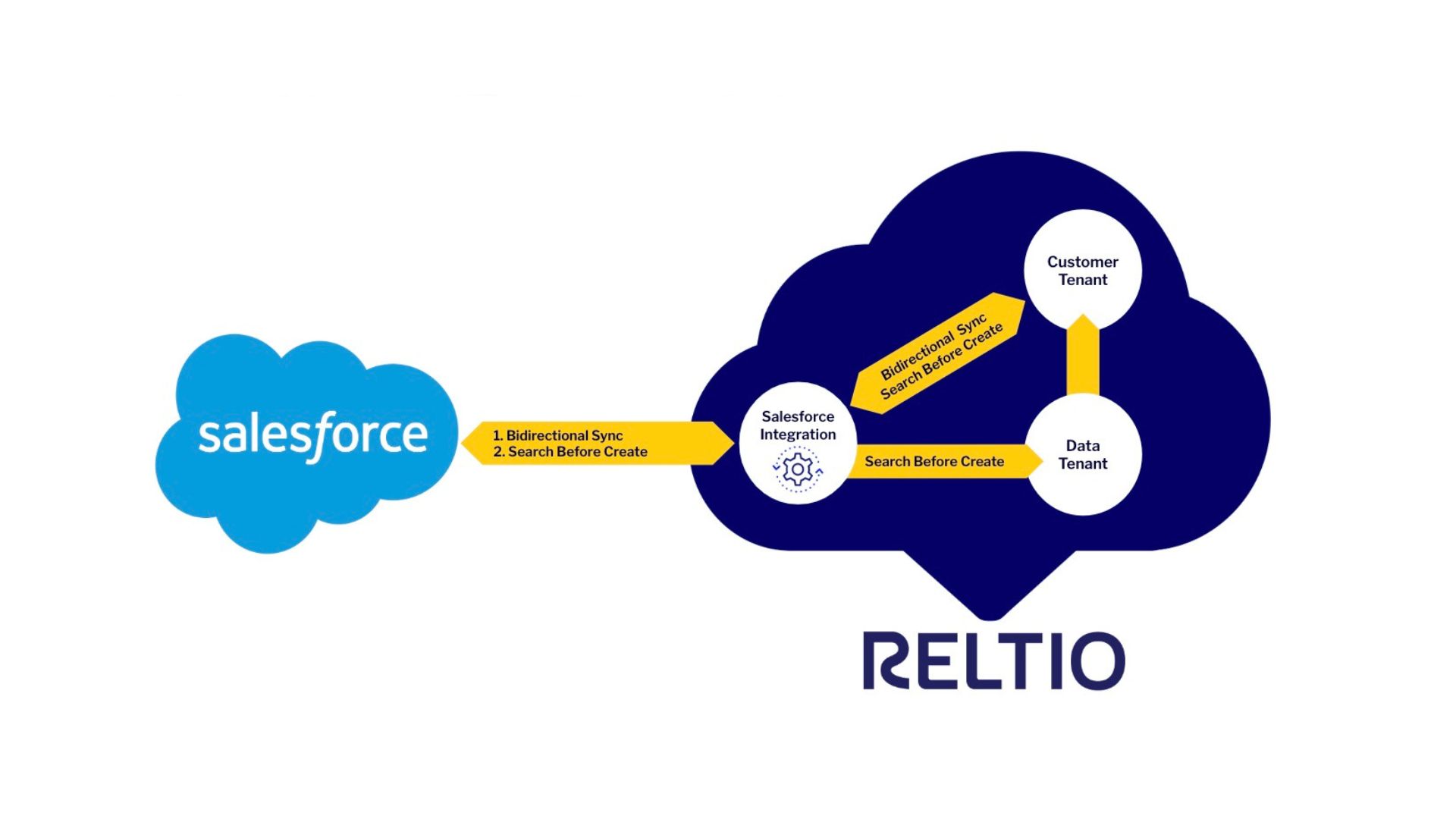
Reltio Integration for Salesforce : Search Before Create, Architecture, Configuration, and Enterprise Data Strategy

Automating Data Quality with Reltio Agentflow: A Smarter Approach to Master Data Management

From Data Mesh to Data Fabric: Choosing the Right Decentralized Architecture for Your Enterprise
Building a DataOps Culture: Accelerating Data Delivery Through Automation and Collaboration