



Enterprise data governance is at an inflection point. As organizations scale analytics, AI, and regulatory compliance, governance has become unavoidable—but too often, it is also perceived as slow, restrictive, and disconnected from how data is actually produced and consumed.
This dynamic has sometimes presented leaders with a perceived trade-off between moving quickly with data and maintaining strong governance. In practice, however, this need not be a binary choice. Effective governance can be designed to support both agility and control, enabling organizations to move with confidence rather than constraint.
The path forward lies in metadata-driven data management—an approach that embeds governance directly into data operations. When metadata becomes the connective tissue of the data ecosystem, governance shifts from manual control to continuous enablement, reducing friction while increasing trust.
Governance Without Friction
Governance matters more today than at any point in the past. AI models increasingly influence decisions. Data products power revenue, customer experience, and risk management. Regulatory scrutiny continues to rise. In this environment, enterprises cannot afford unmanaged or misunderstood data.
Yet governance initiatives frequently struggle with adoption. Teams experience governance as approvals to wait for, definitions to reconcile, and documentation to maintain—often outside the flow of real work. This creates resistance and workarounds, undermining the very controls governance is meant to enforce.
The core issue is not governance itself, but how governance is implemented. Traditional approaches rely heavily on process and oversight. Modern data environments require governance that operates at the speed of data.
Metadata—when treated as a living, operational asset—provides that mechanism.
The Metadata Imperative
Metadata is often misunderstood as static documentation or a cataloging exercise. In practice, it is far broader and far more powerful.
At an enterprise level, metadata includes:
- Business metadata: definitions, metrics, ownership, domain context, usage intent
- Technical metadata: schemas, data types, transformations, pipeline logic
- Operational metadata: freshness, quality scores, usage patterns, access history
Together, these layers provide the context that allows data to be governed without constant human intervention.
Metadata enables:
- A shared understanding of what data represents
- Traceability of how data moves and changes
- Impact analysis when systems evolve
- Policy enforcement tied to data usage, not static rules
In short, metadata turns governance from a review activity into a runtime capability.
Where Governance Typically Creates Friction
Before understanding how metadata reduces friction, it’s important to recognize where friction originates.
Manual Approvals
Many governance models rely on centralized approval processes for dataset access, certification, or changes. These workflows do not scale and quickly become bottlenecks.
Siloed Glossaries
Different teams define the same metrics or entities differently. Without shared semantics, governance discussions become debates rather than decisions.
Poor Discoverability
Teams cannot find trusted data easily, leading to duplication, re-engineering, and inconsistent results.
Slow Response to Change
Schema updates, pipeline changes, or new regulations often require manual revalidation, delaying delivery.
Inconsistent Stewardship
Governance roles exist on paper but are not embedded into daily workflows, leaving accountability unclear.
These issues are symptoms of governance that operates outside data operations rather than within them.
Metadata-Driven Data Management: A Framework
Metadata-driven data management reverses this pattern by making metadata the control layer for governance.
Centralized vs. Federated Metadata
While enterprises increasingly adopt federated data ownership, metadata itself must remain interoperable. A common metadata layer allows domains to operate independently while adhering to shared standards.
Catalog and Semantic Layer
A metadata catalog serves as the system of record for definitions, ownership, certification status, and usage guidance. This becomes the entry point for both governance and self-service.
Automation and Extraction
Modern metadata is captured automatically—from pipelines, queries, transformations, and usage—not manually maintained. This ensures accuracy and timeliness.
Policies Encoded as Metadata
Rather than enforcing governance through tickets and emails, policies are expressed as metadata attributes (classification, sensitivity, retention, access rules) that systems can interpret and enforce.
Integration with Data Pipelines
Metadata must flow with data—integrated into ingestion, transformation, analytics, and ML workflows—so governance decisions are applied consistently.
This framework shifts governance from episodic oversight to continuous alignment.
Architectural Patterns for Metadata-Driven Governance
Several architectural principles support low-friction governance:
Metadata as the Control Plane
A centralized metadata layer acts as the authoritative source for definitions, policies, and lineage—informing tools and workflows across the stack.
Lineage and Impact Analysis
Automated lineage enables teams to assess the downstream impact of changes before they occur, reducing risk without slowing delivery.
Metadata APIs
APIs allow metadata to be consumed programmatically by orchestration tools, access platforms, and monitoring systems—embedding governance into automation.
Policy Enforcement by Design
Access controls, quality thresholds, and compliance checks are enforced automatically based on metadata attributes, not manual review.
This architecture allows governance to scale with complexity rather than becoming overwhelmed by it.
Operationalizing Metadata-Driven Governance
Technology alone does not eliminate friction. Operating models matter.
Clear Roles
- Domain owners define meaning and intent
- Data stewards ensure consistency and quality
- Platform teams operationalize metadata across systems
Embedded Workflows
Governance activities—such as dataset onboarding or certification—are integrated into existing delivery workflows, not handled separately.
Self-Service with Guardrails
Users can discover and access data independently, while metadata-driven controls ensure appropriate use.
Metrics That Matter
Success is measured through adoption, reuse, quality trends, incident reduction, and time-to-insight—not just compliance checklists.
When governance is operationalized this way, it becomes part of how work gets done, not an external requirement.
Use Cases Across the Enterprise
AI and ML Readiness
Metadata ensures training data is understood, features are traceable, and models are auditable—critical for trustworthy AI.
Regulatory Compliance
Lineage, classification, and usage metadata provide evidence for audits and support evolving regulatory requirements.
Data Quality and Trust
Operational metadata highlights freshness and quality issues early, preventing downstream impact.
Cross-Domain Analytics
Shared semantics and certified datasets enable analytics across business units without reconciliation delays.
Across these use cases, metadata reduces friction by replacing uncertainty with clarity.
Balancing Control with Agility
Effective governance is not about tighter control—it’s about smarter control.
Metadata enables:
- Guardrails instead of gates
- Automation instead of escalation
- Feedback loops instead of static rules
By continuously observing how data is used and adjusting policies accordingly, governance evolves alongside the business.
This balance allows enterprises to move quickly while remaining compliant, consistent, and confident.
Practical Roadmap: Metadata-First Governance
0–60 Days
- Identify critical data domains and definitions
- Establish ownership and stewardship
- Implement a basic metadata catalog and glossary
60–120 Days
- Automate metadata capture from pipelines
- Enable lineage and impact analysis
- Encode initial governance policies
Beyond 120 Days
- Integrate metadata into access, quality, and AI workflows
- Introduce usage analytics and feedback loops
- Mature governance into a continuous operating model
This phased approach delivers early value while building toward long-term scale.
How Apptad Can Help
Apptad supports enterprises in implementing metadata-driven data management by helping establish the foundational data engineering and governance practices required for scalable, low-friction governance. This includes enabling structured metadata management, lineage visibility, and integration across data platforms so governance is embedded into everyday data operations rather than managed as a separate process. The focus is on building reliable, well-governed data environments that can support analytics, AI, and regulatory requirements as organizations scale.
Governance That Enables Growth
Governance does not have to slow organizations down. When driven by metadata, it becomes an enabler of trust, speed, and scale.
By embedding governance into data operations—rather than layering it on top—enterprises can reduce friction, align teams, and unlock the full value of analytics and AI. Metadata-driven data management transforms governance from a control function into a strategic capability.
For executives navigating increasing complexity, this approach offers a clear path forward: govern with context, operate with confidence, and scale without friction.
Building RDM Update Agents with Reltio AgentFlow
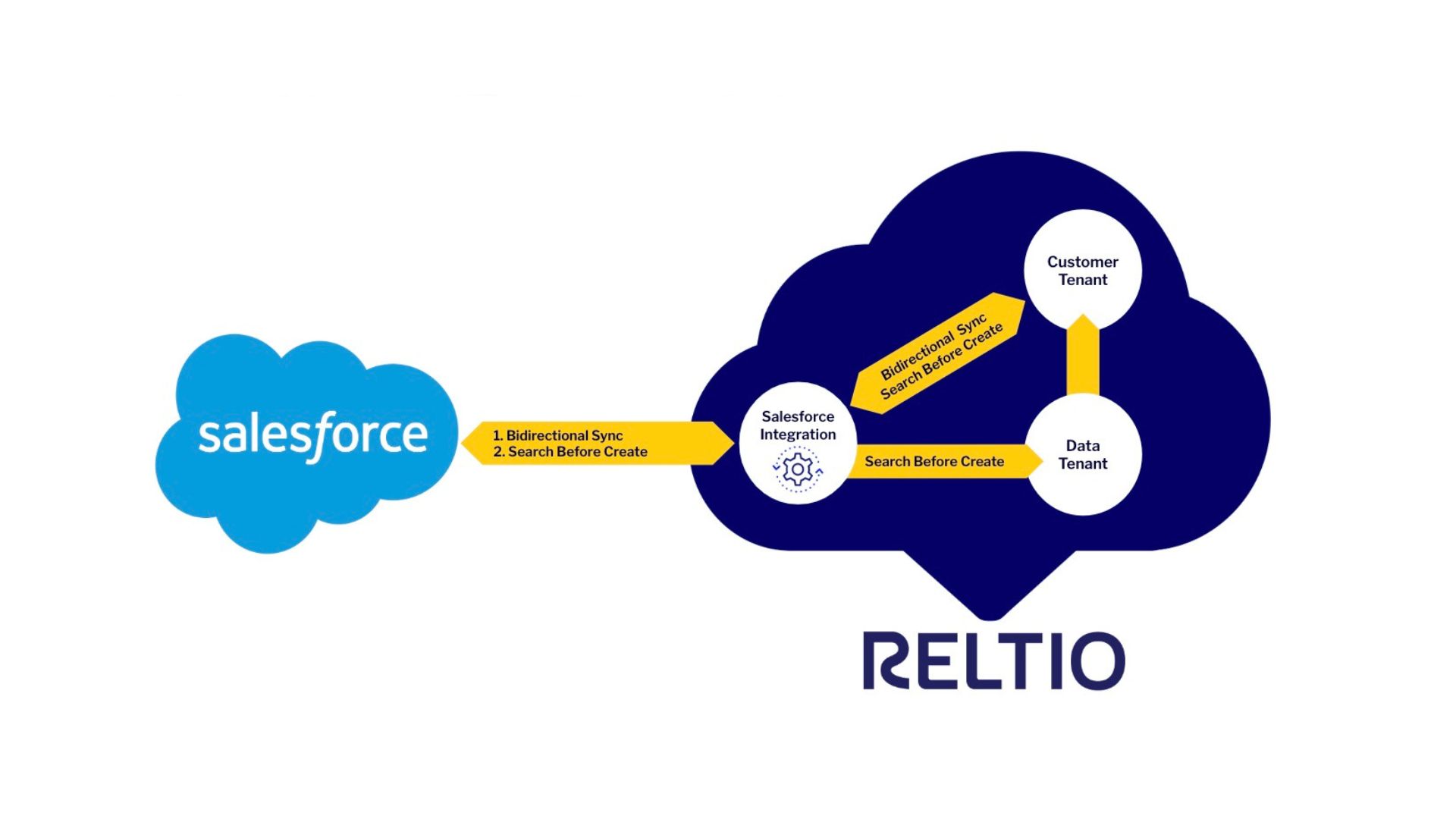
Reltio Integration for Salesforce : Search Before Create, Architecture, Configuration, and Enterprise Data Strategy

Automating Data Quality with Reltio Agentflow: A Smarter Approach to Master Data Management

From Data Mesh to Data Fabric: Choosing the Right Decentralized Architecture for Your Enterprise

Building a DataOps Culture: Accelerating Data Delivery Through Automation and Collaboration