



1. Explainability as a Business Imperative
Over the past decade, enterprises have adopted artificial intelligence to improve efficiency, scale operations, and accelerate decision-making. The focus was largely on performance gains—automating processes, reducing costs, and generating insights at a pace difficult for human teams to match. In many cases, explainability was addressed later in the lifecycle, often once systems were already in production or when additional oversight emerged.
In 2026, this approach is no longer sufficient.
AI systems are now embedded directly into operational and decision-making workflows—approving transactions, prioritizing actions, allocating resources, and supporting increasingly autonomous processes. As a result, enterprises are being asked a more fundamental question: Can this decision be explained clearly, consistently, and defensibly?
Explainable AI (XAI) is no longer a secondary consideration or a regulatory fallback. In 2026, explainability has become a core requirement for trust, scale, and sustained enterprise AI adoption. Organizations that embed explainability into how AI systems are designed, governed, and operated are achieving faster adoption, stronger governance outcomes, and more resilient AI programs. Those that treat it as an afterthought often struggle to move beyond limited deployments.
Explainability is not a constraint on innovation. It is a prerequisite for enterprise-grade AI.
2. Why Explainable AI Matters in 2026
Several forces have converged to elevate explainability from a technical concern to a board-level priority.
Regulatory expectations are now established.
In 2026, regulatory frameworks such as the EU AI Act and sector-specific governance standards are active realities, not future considerations. These frameworks emphasize transparency, accountability, and auditability—particularly for AI systems involved in high-impact decisions.
AI systems are more autonomous.
AI is no longer limited to advisory roles. Many systems now initiate actions, optimize processes, and operate continuously with minimal human intervention. This shift increases the importance of understanding how and why decisions are made.
Enterprise AI has scaled.
As AI moves beyond pilots into enterprise-wide deployment, the cost of opaque decisions increases. Without explainability, errors can propagate unnoticed, trust erodes, and adoption slows.
Scrutiny is broader and ongoing.
Boards, customers, partners, and internal stakeholders now expect AI systems to be transparent and defensible. Trustworthy AI is no longer only a regulatory requirement—it is a business expectation.
In this environment, Explainable AI enables organizations to operate AI with confidence rather than caution.
3. What Explainable AI Really Means
Explainable AI is often misunderstood as a narrow technical capability. In enterprise contexts, it is broader and more operational.
Model-level explainability focuses on understanding how inputs influence outputs—using techniques such as feature attribution or interpretable models.
Decision-level transparency explains why a specific decision was made in a specific context, including the data used, the logic applied, and any thresholds or rules involved.
End-to-end explainability spans the entire AI lifecycle:
- Where data originated and how it was transformed
- How features were engineered
- Which model version was used
- What policies or business rules influenced outcomes
Critically, explanations must be human-understandable. Technical metrics alone do not build trust with executives, auditors, or customers. Explainability succeeds only when it connects technical detail with business meaning.
4. Regulation as a Catalyst, Not a Constraint
In practice, regulation has accelerated better AI practices rather than limiting them.
Modern regulatory approaches in 2026 are largely risk-based, applying stronger explainability requirements to use cases with material impact—such as financial decisions, eligibility determinations, safety, or compliance—while allowing flexibility elsewhere.
This has driven enterprises to:
- Clarify ownership of AI systems
- Standardize documentation and lineage
- Implement consistent monitoring and audit mechanisms
These practices improve operational reliability as much as regulatory readiness. Enterprises that align explainability with governance and operating models find that compliance and performance reinforce each other rather than compete.
5. Explainable AI as Competitive Advantage
Organizations that invest in Explainable AI are realizing tangible business benefits.
Faster internal adoption
When business users understand how AI decisions are made, trust increases and resistance declines. Adoption accelerates across teams and functions.
Stronger customer confidence
Clear explanations improve transparency and credibility, particularly in regulated or customer-facing scenarios.
Improved governance and audit readiness
Explainability reduces the cost and disruption of audits, investigations, and internal reviews.
Lower operational and reputational risk
Explainable systems surface issues earlier and enable faster remediation, reducing the likelihood of costly failures.
In 2026, explainability is increasingly associated with high-quality AI, not slower innovation.
6. Building Explainability into the AI Lifecycle
Explainable AI must be embedded throughout the lifecycle, not added at the end.
Data transparency and lineage
Explainability starts with data. Enterprises need visibility into data sources, transformations, and ownership to establish trust in downstream decisions.
Feature explainability and model interpretability
Model choices should balance performance and interpretability based on use-case risk. Not every model must be simple, but every decision must be explainable.
Decision traceability and audit trails
AI systems should record which data, model, rules, and thresholds contributed to each outcome, including human overrides where applicable.
Ongoing monitoring and consistency checks
Explainability extends into operations. Monitoring drift in data, features, and decisions ensures explanations remain valid over time.
7. Organizational and Operating Model Considerations
Technology alone does not deliver Explainable AI.
Clear ownership and accountability
Enterprises need defined roles across AI ownership, data governance, risk, and operations. Explainability breaks down when responsibility is unclear.
Human-in-the-loop decisioning
Not all decisions should be fully automated. Structured escalation and review paths preserve accountability while enabling efficiency.
Balancing automation with responsibility
Explainability helps organizations determine where automation is appropriate and where human judgment remains essential.
In 2026, Explainable AI is as much an organizational capability as a technical one.
8. Practical Framework: Implementing Explainable AI
A pragmatic approach to Explainable AI typically progresses through maturity stages:
Stage 1: Foundational transparency
Basic documentation, data lineage, and model visibility for priority use cases.
Stage 2: Operational explainability
Decision traceability, feature explanations, and monitoring embedded into production workflows.
Stage 3: Embedded governance
Explainability policies integrated into AI development, deployment, and operational processes.
Mandatory vs. advisable explainability
High-impact decisions require stronger controls. Lower-risk use cases can apply lighter explainability mechanisms.
Common pitfalls
- Treating explainability as documentation only
- Over-engineering explanations that users cannot interpret
- Applying uniform controls regardless of risk
9. How Apptad Supports Explainable, Governed AI
Apptad supports enterprises in building AI capabilities that are explainable, governed, and operationally reliable. This includes strengthening data engineering and integration foundations, establishing governance frameworks and operating models, enabling analytics and AI solutions, and supporting decision intelligence and observability across AI systems. The emphasis is on aligning explainability with enterprise execution, trust, and long-term scalability.
10. Trust as the True AI Differentiator
In 2026, Explainable AI is no longer a niche capability or a regulatory afterthought. It is a strategic asset.
Enterprises that treat explainability as a core design principle unlock faster adoption, stronger governance, and more resilient AI systems. They move from defensive compliance to confident execution.
As AI increasingly shapes enterprise decisions, trust—not raw performance—has become the true differentiator. Explainable AI is how organizations earn and sustain that trust.
Building RDM Update Agents with Reltio AgentFlow
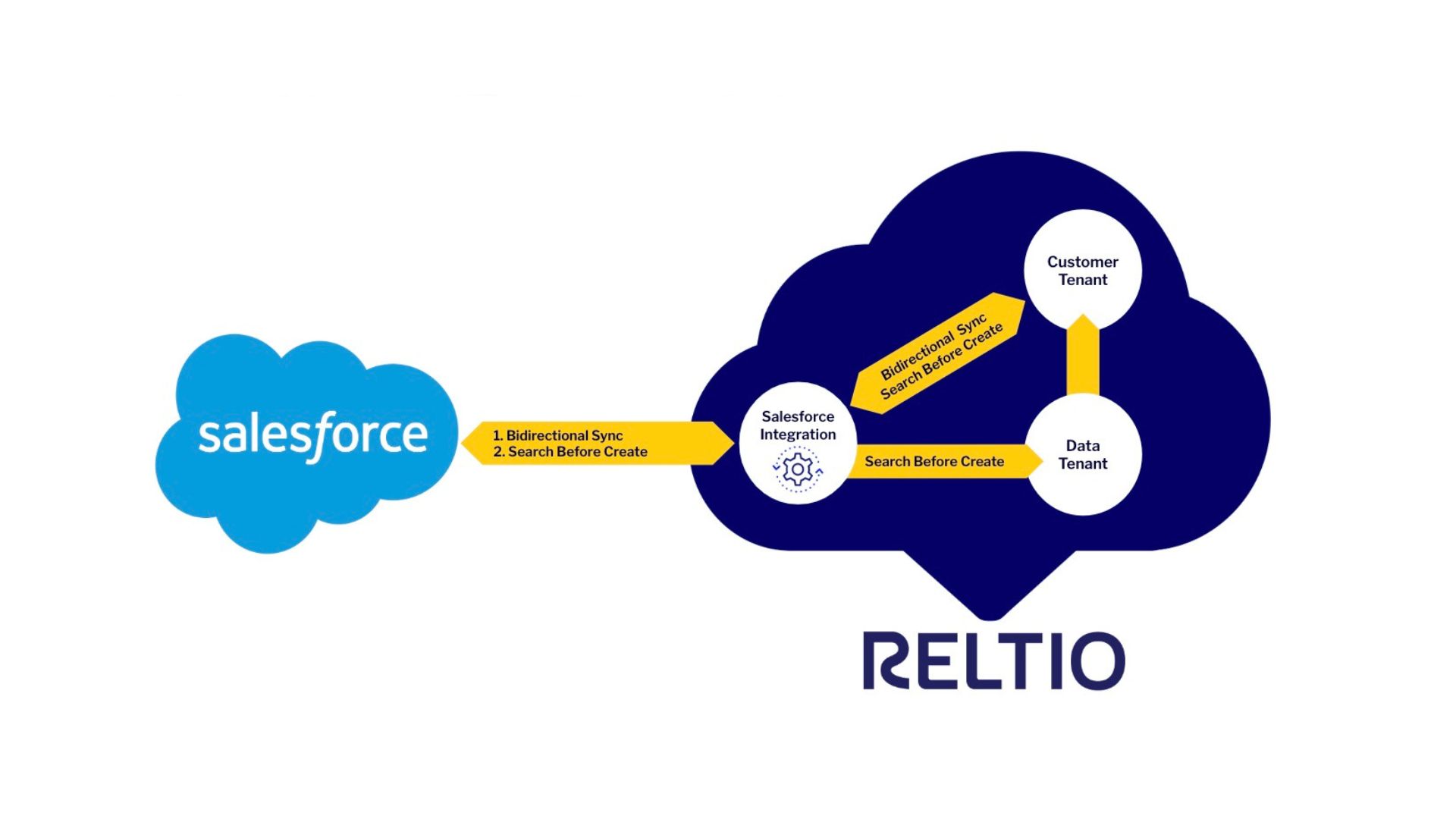
Reltio Integration for Salesforce : Search Before Create, Architecture, Configuration, and Enterprise Data Strategy

Automating Data Quality with Reltio Agentflow: A Smarter Approach to Master Data Management

From Data Mesh to Data Fabric: Choosing the Right Decentralized Architecture for Your Enterprise

Building a DataOps Culture: Accelerating Data Delivery Through Automation and Collaboration