



Enterprises are rapidly moving beyond traditional automation and experimentation with generative AI. The next frontier is the agentic enterprise—an organization where intelligent agents autonomously plan, reason, collaborate, and execute across systems to deliver measurable business outcomes.
While the promise is compelling—faster decision-making, reduced operational friction, and exponential productivity gains—most enterprises struggle to move from pilots to enterprise-scale value. The challenge is not the absence of technology; it is the presence of structural, architectural, and organizational roadblocks.
At Apptad, we work with enterprises navigating this transition. This article explores the most common barriers to building an agentic enterprise and outlines how organizations can overcome them with the right design principles, governance, and execution strategy.
What Is an Agentic Enterprise?
An agentic enterprise leverages AI agents—software entities capable of autonomous reasoning, orchestration, and action—to augment or execute business workflows. Unlike traditional automation or rule-based bots, agentic systems:
- Understand context and intent
- Decompose complex objectives into executable tasks
- Interact with multiple tools, data sources, and applications
- Learn and improve through feedback loops
When designed correctly, agentic systems become embedded digital workers that operate alongside humans across functions such as IT operations, customer support, supply chain, finance, and product development.
The Roadblocks Holding Enterprises Back
Despite increasing investment in AI, most organizations encounter the same friction points when attempting to scale agentic capabilities.
1. Fragmented Data and System Silos
Agentic systems are only as effective as the data and tools they can access. Enterprises often operate across:
- Legacy systems with limited APIs
- Disconnected SaaS platforms
- Inconsistent data definitions and ownership
This fragmentation prevents agents from reasoning holistically or taking end-to-end action, limiting them to narrow, low-impact tasks.
Impact: Agents become glorified chatbots rather than autonomous problem solvers.
2. Lack of Enterprise-Grade Architecture
Many early agent implementations are built as proofs of concept without consideration for:
- Security and access control
- Observability and auditability
- Scalability and fault tolerance
- Cost governance
As a result, enterprises struggle to move beyond isolated use cases without introducing risk.
Impact: Innovation stalls due to valid concerns from security, compliance, and IT leadership.
3. Unclear Ownership and Governance
Agentic systems blur traditional boundaries between business, IT, and data teams. Without clear governance:
- No one owns agent behavior and outcomes
- Model updates and prompt changes happen ad hoc
- Accountability for errors is unclear
Impact: Enterprises hesitate to trust agents with mission-critical workflows.
4. Human–Agent Mistrust
Employees often perceive autonomous agents as opaque, unpredictable, or threatening. This resistance is amplified when:
- Decisions are not explainable
- Human override mechanisms are unclear
- Change management is an afterthought
Impact: Low adoption, shadow workflows, and underutilized investments.
Designing for the Agentic Enterprise: A Strategic Blueprint
Unlocking enterprise-scale value requires moving from experimentation to intentional design. Apptad recommends a structured approach built on five core principles.
1. Design for Orchestration, Not Isolation
Agentic value emerges when agents coordinate across workflows—not when they operate in silos. Enterprises should:
- Adopt API-first and event-driven architectures
- Enable secure tool and system access for agents
- Design agents as orchestrators of workflows, not single-task executors
This allows agents to reason across systems, escalate intelligently, and close the loop on outcomes.
2. Embed Governance by Design
Governance must be foundational, not retrofitted. Enterprise-ready agentic platforms should include:
- Role-based access and permissioning
- Full observability into agent decisions and actions
- Human-in-the-loop controls for high-risk actions
- Audit trails for compliance and regulatory needs
This approach enables innovation without sacrificing trust or control.
3. Prioritize Explainability and Transparency
For agents to be trusted, they must be understandable. This means:
- Clear reasoning chains for decisions
- Visibility into data sources and assumptions
- Configurable confidence thresholds and escalation paths
Explainability transforms agents from “black boxes” into accountable digital collaborators.
4. Start with High-Impact, Bounded Use Cases
Rather than attempting enterprise-wide deployment on day one, successful organizations:
- Target workflows with clear ROI and repeatability
- Define explicit success metrics
- Expand incrementally as confidence and capability grow
This phased approach builds organizational trust while delivering tangible value early.
5. Invest in Change Enablement
Technology alone does not create an agentic enterprise. Leaders must also address:
- Workforce education and reskilling
- Clear communication about agent roles and limits
- Redesign of processes to incorporate human–agent collaboration
When employees see agents as enablers rather than replacements, adoption accelerates.
How Apptad Helps Enterprises Scale Agentic Capabilities
Apptad partners with enterprises to design, build, and operationalize agentic systems that are secure, scalable, and outcome-driven. Our approach combines:
- Deep enterprise architecture expertise
- AI and agent orchestration frameworks
- Governance-first implementation models
- Industry-specific use case acceleration
We help organizations move beyond experimentation to create agentic systems that deliver sustained, enterprise-scale value.
The Path Forward
The agentic enterprise is not a future concept—it is an emerging reality. Organizations that address architectural, governance, and human challenges today will define the competitive landscape of tomorrow.
Designing for agency requires discipline, intent, and the right partner. With a thoughtful approach, enterprises can overcome roadblocks and unlock the full potential of autonomous intelligence at scale.
The question is no longer whether to adopt agentic systems—but how fast you can design them responsibly and effectively.
Building RDM Update Agents with Reltio AgentFlow
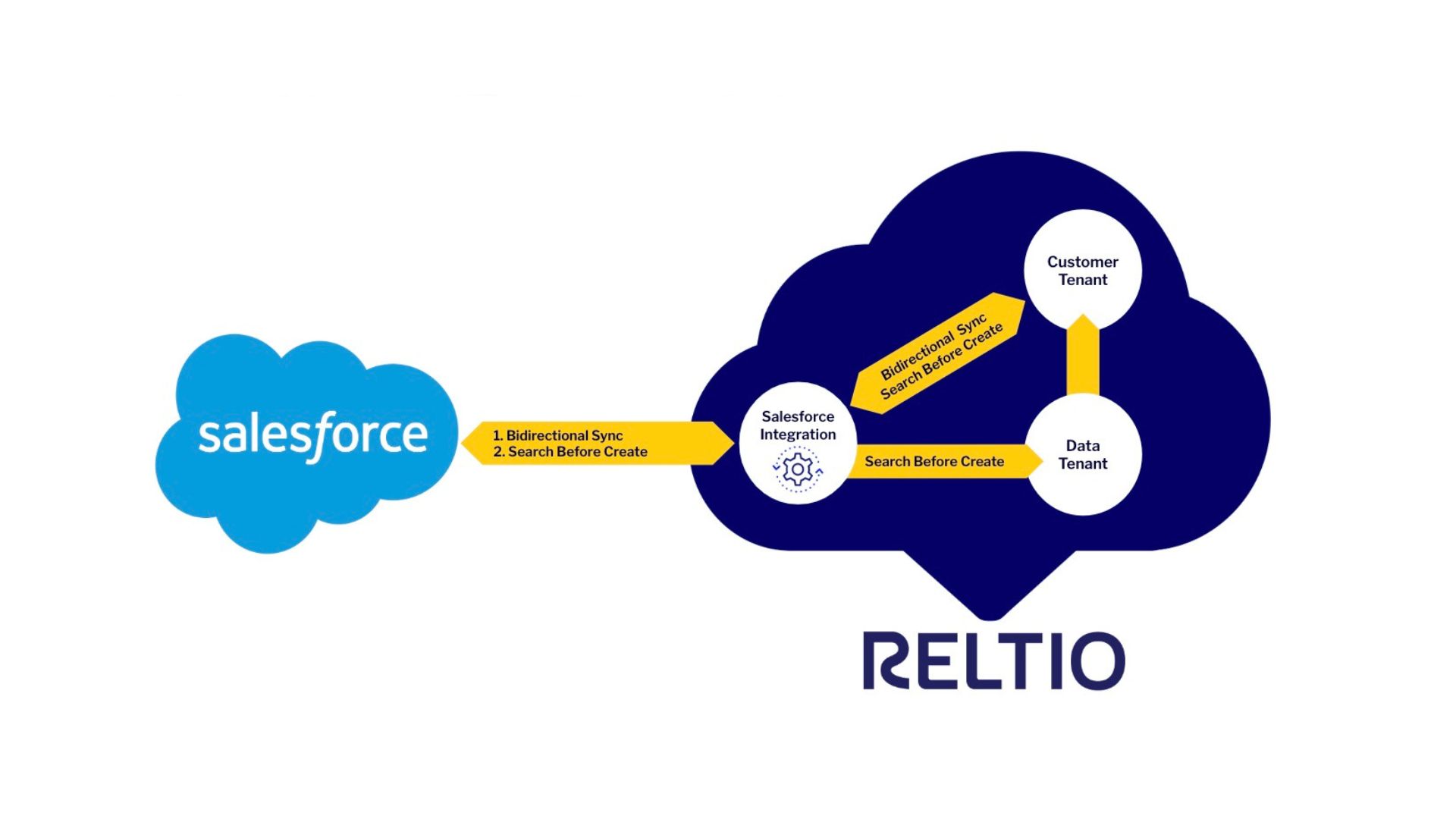
Reltio Integration for Salesforce : Search Before Create, Architecture, Configuration, and Enterprise Data Strategy

Automating Data Quality with Reltio Agentflow: A Smarter Approach to Master Data Management

From Data Mesh to Data Fabric: Choosing the Right Decentralized Architecture for Your Enterprise

Building a DataOps Culture: Accelerating Data Delivery Through Automation and Collaboration